
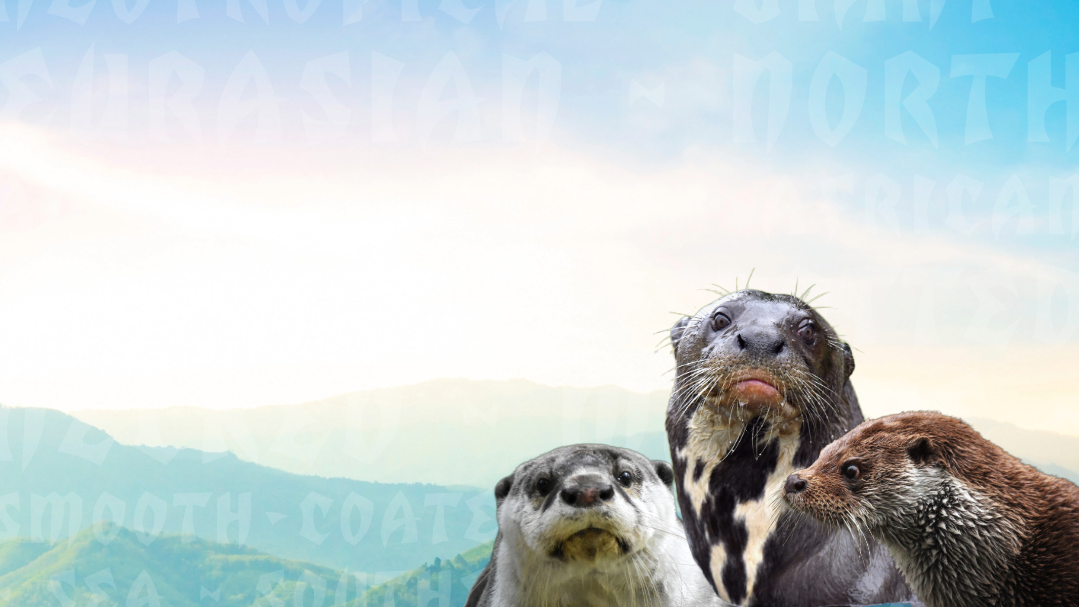

IOSF World Otter Day takes place on the last Wednesday in May each year. The day was established by IOSF to help draw attention to otters, celebrate them, and raise awareness and support for their conservation globally. The aim is to put otters on the map, and at the forefront of people’s mind!

World Otter Day 2026 was amazing with events in 50 countries across the world! With this year being our 10th year of World Otter Day, we are so delighted to say that this was the biggest World Otter Day to date and, most importantly, raised the profile of our favourite animals!
If you want to be involved next year, its never too early to plan, then please get in touch and we can help!
IOSF World Otter Day 2026
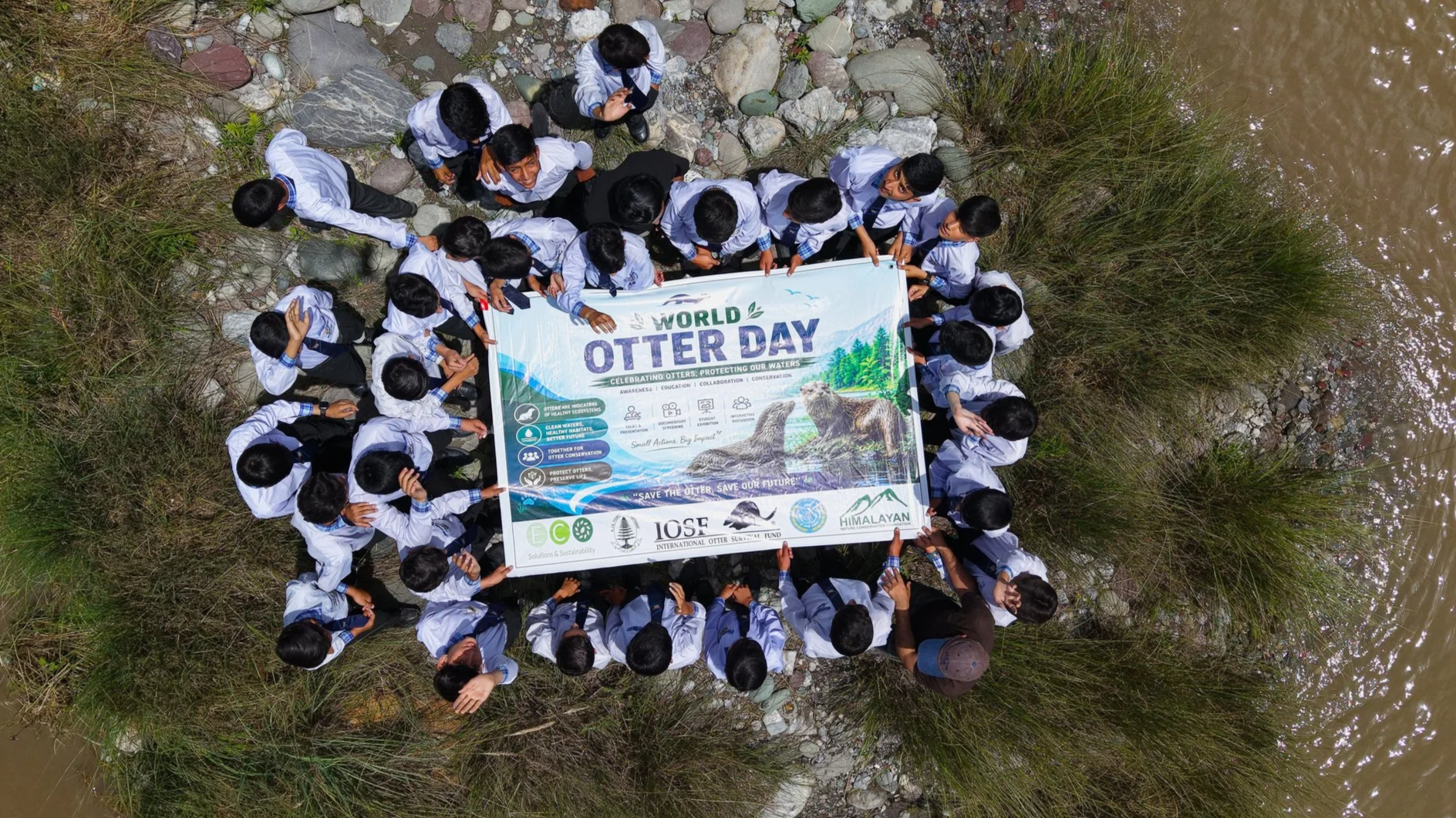
Please read all about the amazing events that took place across the world for World Otter Day 2026. Of course, we can’t mention them all, but here is a snap shot of what was done and achieved.
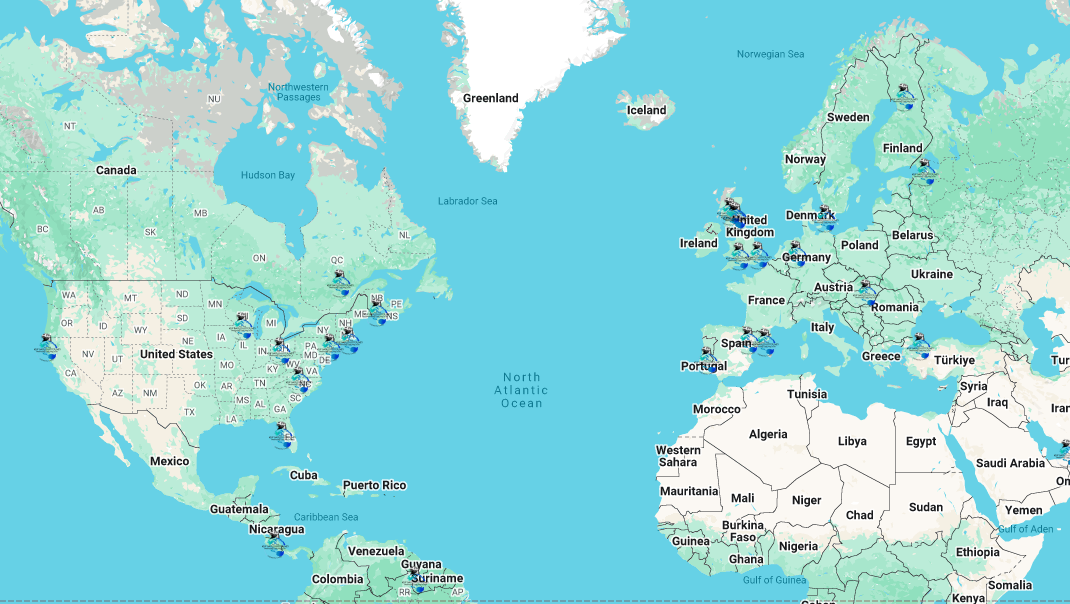
World Otter Day Events Map
You can see all the amazing events that took place for World Otter Day 2026 by having a look at the World Otter Day events map.
World Otter Day Webinar
Each year, IOSF holds a World Otter Day webinar involving otter experts and enthusiasts from across the world.
The webinar is split in to two sections, a morning and evening session, to allow people from all across the world to join. Use the buttons below to watch the amazing webinars!
Previous Years






IOSF
World Otter Day
Grants
Every year IOSF offers three grants of £250 for small World Otter Day events.
In 2026, we are delighted to be able to offer a fourth grant.
The IOSF World Otter Day 2026 grants were as follows:
-
This festival of otters or “Festival de Ariranhas” spanned two neighbouring countries, Brazil and Peru, with a view to inspiring these communities to care more for their otters. The festival, as well as the education material, was designed in partnership with the local communities to help maximise the benefits. The organisers combined aspects that the communities loved, including football and food, with education and awareness of the importance of otter populations with a view to reducing potential conflict. Working alongside two communities, Puerto Amelia in Peru and Matis in Brazil the group engaged in a number of activities.
Children produced a play, with otter masks based on their own thoughts on otters. This included curiosity, fear and conflict - using otter sounds to enhance their show. They were then told about why otters are an important species and the need to co-exist.
Communities were encouraged to clean up their litter by filling bottles with plastic from around the area. For every filled bottle that was returned, they received a gift of toys, books or clothes. Once all the prizes had been given out, the communities continued to clean up their area - understanding the importance of a clean environment.
The communities took part in the “Copa das Lontras” football tournament - or the “Otter Cup”. Traditional food was provided and both adults and children learned all about otters. Many of these fishing communities see otters as a threat, particularly to their livelihood, but through the day they were able to see them more as friends, and they could laugh, smile and learn more about otters. It is believed that through this day the conflict will reduce and co-existence will be enhanced.
Finally, all education material was created alongside the communities. They gave their input before it was created and this will maximise the effects, showing that education is in fact about inclusion and helping communities truly believe and engage with the message.
-
Muhammad Naeem Awan hosted a three-part event including wildlife and forest professionals, university students, faculty members, and conservation practitioners, on the importance of otter and freshwater ecosystem conservation.
Event 1 - This was conducted in collaboration with the Wildlife and Forest Departments, focusing on the conservation significance of otters and the role of government agencies in protecting aquatic biodiversity and freshwater habitats. The event included the current status of otters in Pakistan, their threats and importance; and finished with an open discussion on the thoughts of the attendees, conservation practices, questions and an aim to encourage collaboration in the future.
Event 2 - At the University of Azad Jammu and Kashmir, students and faculty members actively participated in presentations and discussions that highlighted the ecological significance of otters and the importance of research, education and public engagement in conservation. There was also a student exhibition and a screening of an otter documentary.
Event 3 – This was held at Asria School and College, which gave an opportunity to engage younger students and promote environmental awareness through learning activities. This included interactive classroom sessions and field visits to otter habitats to learn even more.
Collectively, the three events attracted more than 250 participants and provided an effective platform for raising awareness about otter conservation, strengthening collaboration among institutions, and encouraging greater public involvement in the protection of freshwater ecosystems. The celebration successfully demonstrated the value of education and outreach in fostering long-term support for wildlife conservation in Pakistan.
-
Activities were conducted with students across various ages in Río Pico, in collaboration with the Environment Secretariat of Chubut Province. This introduced the southern river otter, locally known as “huillín”, and highlighted its importance. The activities aimed to: increase awareness of the otter’s ecology, habitat and conservation; promote recognition of native and invasive species in the region; share information about the recent presence of huillin in the Río Pico area; and foster positive attitudes toward the protection of both the huillín and its freshwater habitats.
With the young kids they sang a song called “ Huillín” written by a local children’s band named “La Maroma”. Through this song, they introduced the huillin, its habits, and the importance of its conservation. They learned the song together and discussed its lyrics with the children. Afterwards, the students used templates of huillín and their prey which were coloured, cut out, and glued onto paper bags to create huillín puppets.
The primary school students participated in an introductory talk about the huillín, including how to recognise it and learned about its life cycle through a series of illustrative images. The students also took part in an educational game designed to teach them about the huillín, native wildlife, and invasive species found in the region. In the afternoon, the children participated in an arts-and-crafts activity. Using huillín templates, they painted the otter and its prey and then attached the figures to recycled cardboard tubes representing the body, creating their own huillín models.
Finally, the secondary students explored the species in greater depth. They attended a presentation introducing the huillín, including how to identify it and distinguish it from similar species occurring in the area such as coypu and American mink. They also discussed field survey methods and genetics, topics that are currently part of the school curriculum.
Following the special day, each child was able to take home their artwork and education materials in a hope to spread the word further across their friends and family.
-
This event was a three-day World Otter Day and Cultural Festival to celebrate otters and their need for conservation in an area where otters have always held a significant cultural value. The event focussed on otters but also offered cultural celebrations and health check-ups. The festival brought together children, students, members of the traditional fishing community, government officials, researchers, journalists, artists, cultural practitioners, environmentalists, and the general public to raise awareness about otter conservation, river protection, climate change, and Bangladesh's unique tradition of otter-assisted fishing.
For the children they focussed on raising awareness of otters and the need for their conservation. Children took part in an art competition, where each child received a new school bag. They also learned more about otters through an informative puppet show.
For the communities and other stakeholders: each day there were various discussions attended by approximately 1,900 people over the three days. The discussions included topics such as otters, river protection, the effects of climate change and biodiversity. There was also a smaller conversation just with village members which included otters and the need for their conservation.
There was also an opportunity to show a documentary about otters and a live demonstration of otter fishing, a tradition only known for this area.
With such a large event, the organisers took the opportunity to offer free health check-ups and medicines for those in need, furthering empowering and protecting the communities that live alongside them and encouraging them to protect THEIR otters. Each day, the attendees were treated to various cultural performances, including traditional music and dance, some of which was performed by the school children.
This event was held in Narail. In 2014 Paul and Grace were able to visit Narail during the training workshop and they saw for themselves the importance of otter fishing to the community. This was therefore very encouraging for them to see how the otter awareness work is still ongoing.
Ways to help otters
Learn more about what you can do to help otters, both at World Otter Day and other times of the year!
©Tony Goy Photography